images: Rusnė Ivanauskytė
I arrived at the residency with a few key words that I trusted fully and a few supporting structures to house them in, just enough to feel at peace with leaving things open. I was interested in sound, space and people.
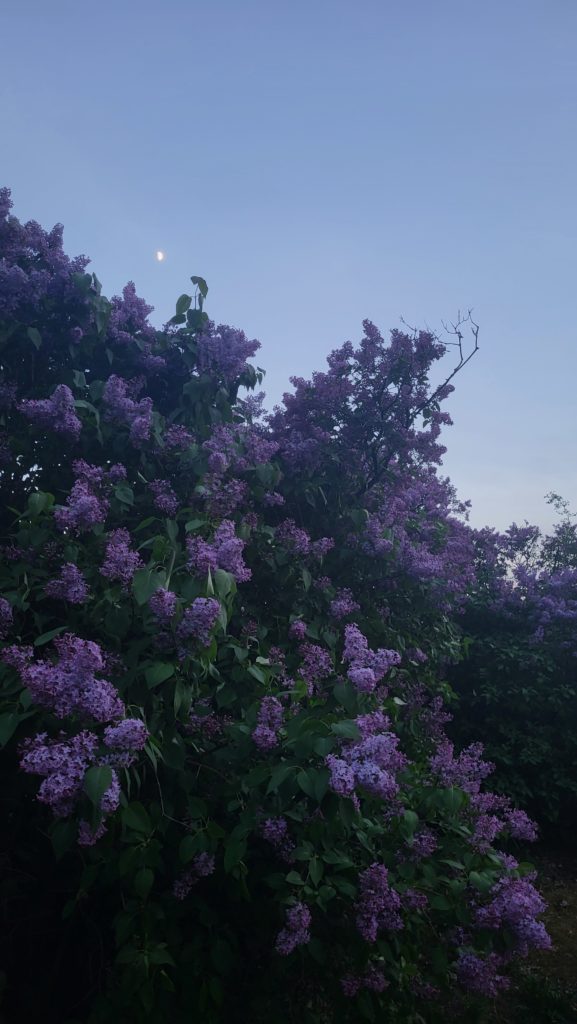
I did not know how Turku would shape my thoughts and routes. I would walk from the apartment towards the river to decide where I wanted to be, passing the park with its stone hills and blossoming lilacs. The gallery was by the river, the library on the right, the church tower peeking through the trees, a few bridges to make up my mind, a sun-exposed bench at Book Café and the river as a mental anchor.
I would often catch myself thinking about the river and seeing people sitting around it brought me a sense of peace. Somehow I found its unexpected importance a little unsettling. I like to imagine ahead of time what will matter and linger, what will feel enough.
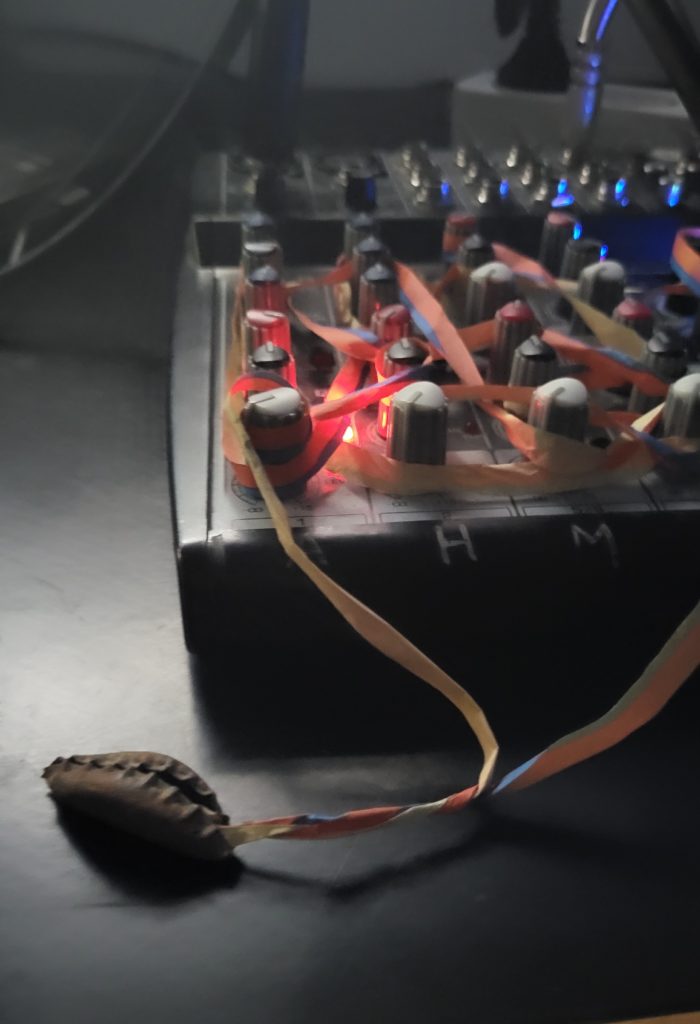
At night, the studio felt transformed and drew me in. With only the light from outside filtering through the windows, the gallery building felt like a shelter and I was safe in the complete freedom to make noise. I spent most evenings there with a pair of mixers, trying out different ways of making them speak to each other. Experimenting with the materiality of sound embodied in a device, like twisting the knobs, connecting different cables and physically shaping the sound made it feel more tangible but still enough out of reach to make me feel surprised and curious. I was trying out feedback systems, a small signal looping between the two mixers and constantly transforming in unexpected ways or completely getting out of hand. I enjoyed listening to it and feeling how it travelled through the space, bounced off objects, moved through my body and settled somewhere in my stomach.
Throughout my stay I began listening more carefully and noticing how sound shaped my relationship with people in different spaces. Hearing a neighbour playing the piano or singing reminded me of their presence and created a quiet imagined relationship between us. I would wonder what mood they were in, or why they had decided to practise at that moment. It was hard to tell which floor the sound was coming from and I sort of gave in to that uncertainty. The sound seemed to live inside the walls, the ceiling and the floor. Passing through the barriers, it arrived filtered, softened, textured by distance.
A man on a bus started playing music from his phone and singing along. My first reaction was to become slightly guarded and tense up, but moments later I found myself strangely happy that he was singing. Other people on the bus shifted their attention towards him too. Some lifted one side of their headphones slightly and lingered a bit, others expressed amusement, or just smiled, glanced calmly. It felt like a brief rearrangement of attention. I realised that music could become a first invitation to listen further and discover. Once that attention had shifted, the sounds already present in the bus began to gather into a shared composition – the engine, the hum of the city outside, conversations, glass sliding in the frame of the window, a thud echoing away from its source.
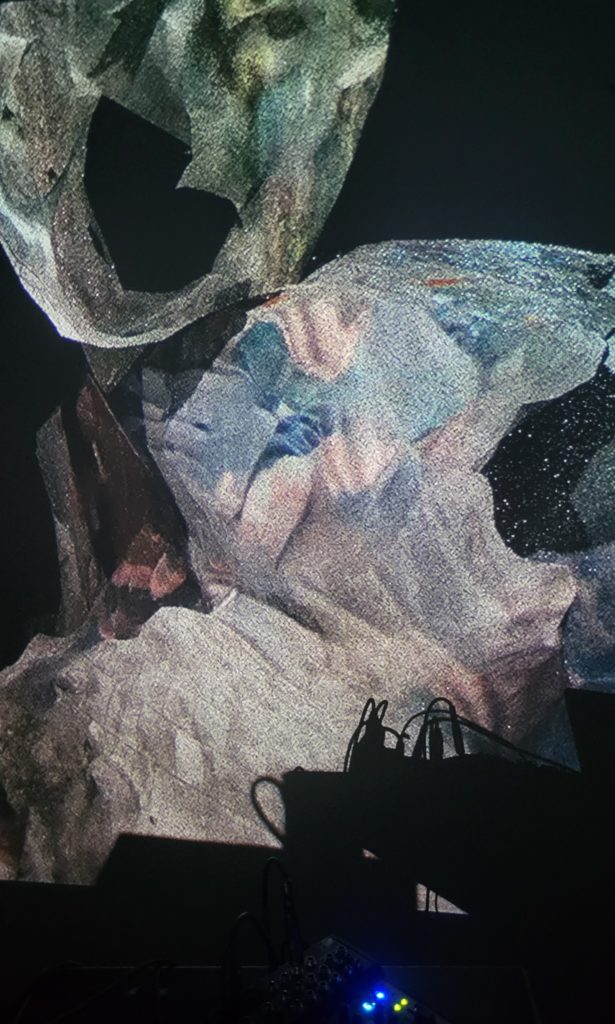
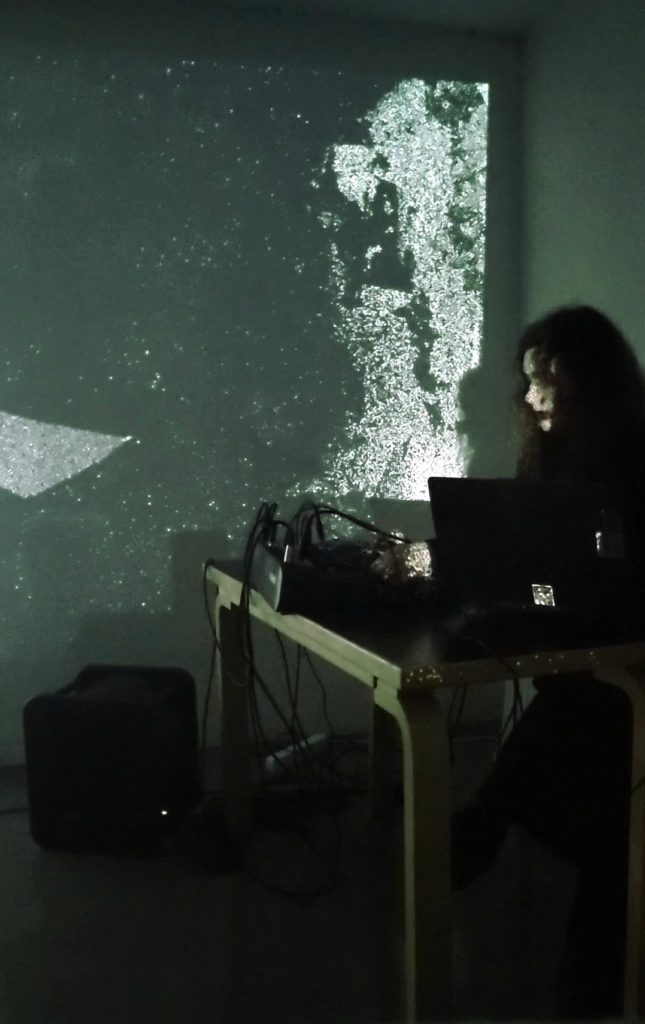
I started noticing similar moments elsewhere. A street musician encountered in passing, distant music drifting between buildings, voices carrying across the river. Once listening had shifted, the city itself seemed to reorganise into a shared soundscape, if only for a moment, connecting places and the people inhabiting them. At the end of my residency, I presented an audiovisual performance combining feedback systems with field recordings of my encounters. I created visuals from 3D scans collected around the city of things that resisted being captured: reflections, moving surfaces, forms that did not stay still long enough to become stable sculptures. Their imperfect rendering, constantly forming and falling apart, mirrored the sound. The instability of one seemed to echo the instability of the other. What began as a way of almost unintentionally tracing my experience during the residency gradually became not a resolution, but the experience taking form.