Avajaiset keskiviikkona 1.7.2026 klo 17. Tervetuloa!
Atriumiin vapaa pääsy. Aukioloajat ke–su klo 11–18.
Osoite: Piispankatu 17, Turku
Opening event on Wednesday 1.7.2026 at 5 pm. Welcome!
Free entry to the Atrium! Open Wed-Sun at 11–6 pm.
Address: Piispankatu 17, Turku
Invigning: onsdag 1.7.2026 kl. 17. Välkommen!
Fri entré till Sibbe Atrium. Öppet onsdag–söndag kl. 11–18
Adress: Biskopsgatan 17, Åbo
Titanikin ja Sibelius-museon yhteistyöhanke Frequencies jatkuu
– heinäkuussa Sibbe Atriumissa esillä Sina M Fardin ääniteos Persian Garden #1
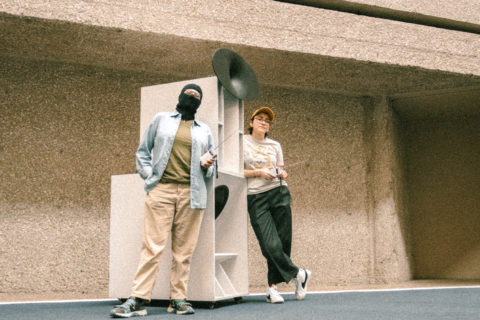
Frequencies – Taajuuksia on ääniaaltojen täyttämä olohuone, josta turkulaiset ja Turussa vierailevat voivat nauttia ilmaiseksi koko heinäkuun ajan. Sibelius-museon Atrium-sisäpihan ikoninen, brutalistinen arkkitehtuuri avautuu yleisölle ja resonoi lumoavan äänitaiteen sekä tuoreen taiteellisen tutkimuksen kanssa.
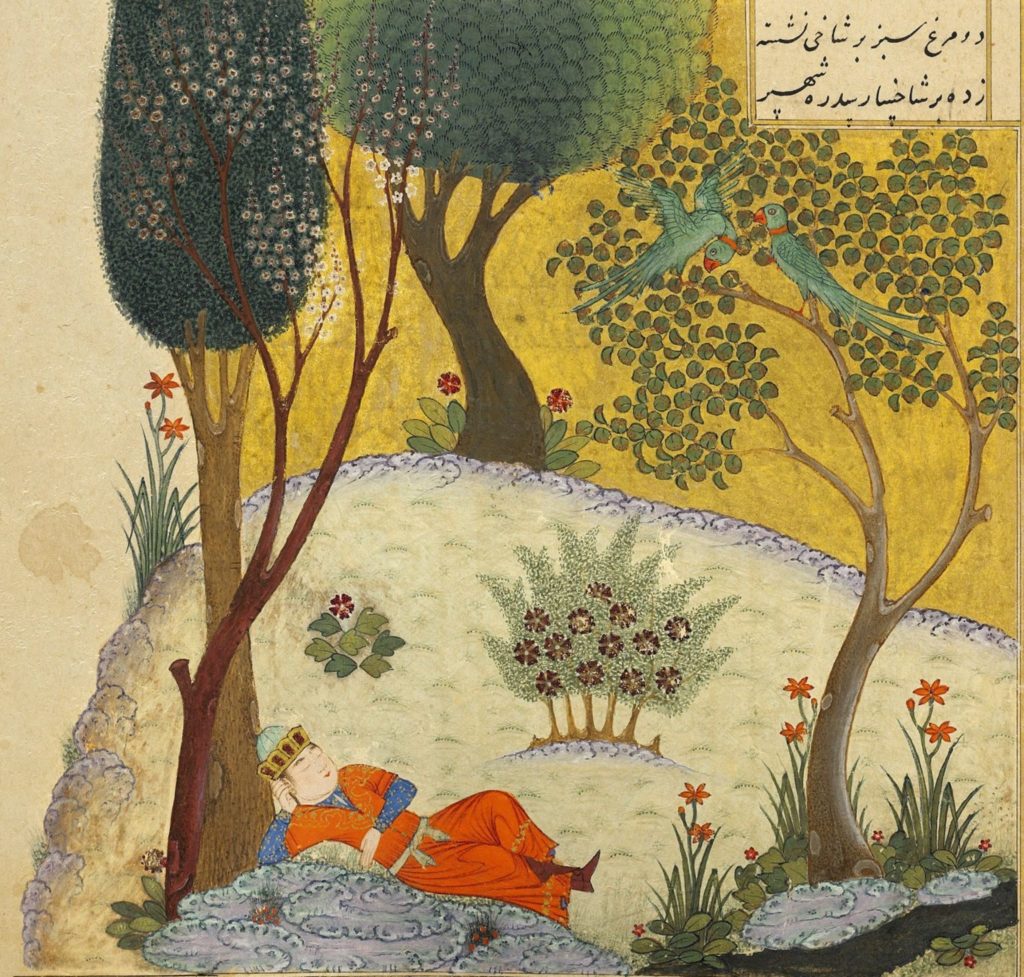
Atriumissa kuullaan heinäkuussa iranilaisen Sina M Fardin teos Persian Garden #1. Teos on saanut nimensä Iranin historiallisesta puutarhaperinteestä, jonka vaikutus ulottuu maisema-arkkitehtuurin lisäksi runouteen, mattoihin ja miniatyyrimaalauksiin. Puutarhat symboloivat sekä paratiisin hengellisiä ihanteita että omistajiensa poliittista valtaa ja auktoriteettia, ja ne toimivat vapaa-ajan, diplomatian ja eliitin kokoontumispaikkoina.
Installaatio ammentaa inspiraatiota Kashanin Fin-puutarhasta, historiallisesta kohteesta, joka tunnetaan rikkaasta arkkitehtuuristaan ja uudistusmielisen pääministerin Amir Kabirin salamurhasta vuonna 1852. Fin-puutarhaa mallinaan käyttäen nelikanavainen ääni-installaatio luo uudelleen kadonneen puutarhan Sibelius-museoon henkilökohtaisten muistojen, visuaalisten kertomusten ja vaeltelevan havainnoinnin muovaaman kuvitteellisen matkan kautta.
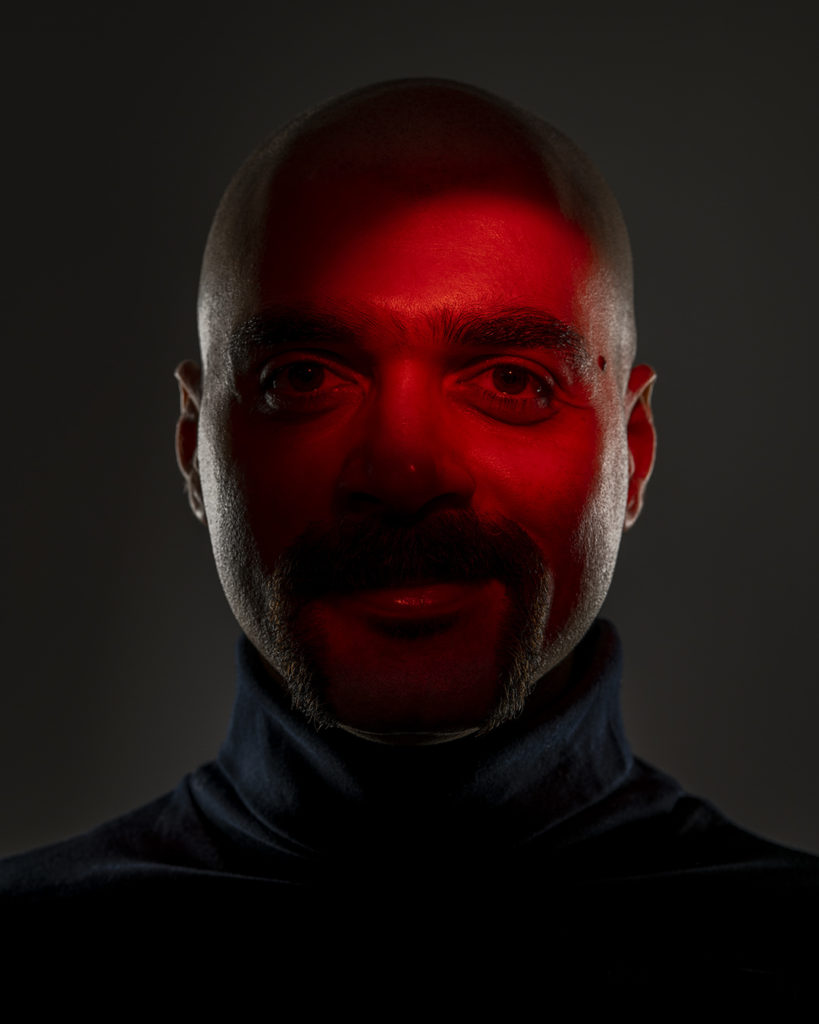
Sina M Fard (s. 1987, Rasht, Iran) on Alankomaiden Haagissa asuva säveltäjä, äänitaiteilija ja tutkija. Hänen töissään tutkitaan elektroakustisen sävellyksen, ääni-installaatioiden ja paikkasidonnaisten projektien risteyskohtaa, ja niissä käsitellään usein äänen poliittisia ja sosiaalisia ulottuvuuksia. Taiteellisessa työssään hän tutkii, miten ääni muokkaa havaintoa, identiteettiä ja kollektiivista muistia.
EN
Titanik & The Sibelius Museum’s collaborative project Frequencies continues – a sound installation by Sina M Fard open to the public in July
Frequencies is a sonic living room for the residents and visitors of Turku. The iconic brutalist architecture of Sibelius Museum’s inner atrium reopens for free to the public, resonating with fascinating works of sound art and new artistic research.
Iranian artist Sina M Fard’s work Persian Garden #1 will be installed in the Atrium for the month of July. The work takes its name from the historic garden tradition of Iran, whose influence extends beyond landscape architecture into poetry, carpets, and miniature paintings.
SINA M FARD
PERSIAN GARDEN #1
Or an imaginary flânerie through FIN GARDEN
The installation title, ‘Persian Garden’, is taken from the ancient architectural style of gardens in Iran. Not only is the idea of the Persian garden embodied into tangible architectural gardens in different regions of Iran, but also its aesthetic footsteps can be traced in the country’s literature (especially poetry), carpets, and miniatures. Although traditionally understood as spiritual and religious beliefs, and as metaphors of paradise beauties on the earth, these gardens served as potent symbols of the owners’ authority and reflected a well-ordered and strong political regime. These two factors were interwoven as if they were the very threads that come together to form a well-composed carpet.
Persian gardens were places where kings, royal families, and elites gathered for rest and entertainment especially in spring and summer times, and also to host important guests and to have private meetings. Beyond leisure, gardens were used to suppress and contain opposition figures – including royal family members – isolating them from main center power and neutralizing their influence in the public sphere. Fin Garden, located in Kashan and built in the 16th century during the Safavid era, is an example of this dual function. The Garden we access today reflects a combination of Safavid, Zand, and Qajar architectural styles which is divided by waterways and walls with four watchtowers. Fin consists of a complex of buildings, pavilions, bathhouses, fountains and pools. It also has a rich diversity of plants,
flowers and trees. This garden plays an important and famous role in Iran’s history since it was the place
where Amir Kabir, the prime minister of the fourth shah of Gajar, was sent to exile and killed by royal
guards in 1852 in the small, public bathhouse of the Fin Garden.
Taking Fin Garden as a model, this 4-channel sound installation shares my sonic perspective through an imaginary journey and presents a garden in the courtyard of the Sibelius Museum where originally a garden used to be. In this project I, as a flâneur, wander through personal memories, imaginations, and visual narratives and walk on the border of expression and representation.
SINA M FARD (b. 1987, Rasht, Iran) is a composer, sound artist, and researcher based in The Hague. His work explores the intersection of electroacoustic composition, sound installations, and site-specific projects, often engaging with the political and social dimensions of sound. Through his practice, he investigates how sound shapes perception, identity, and collective memory.
SE
Sibeliusmuseums och Titanik-galleriets samarbetsprojekt Frequencies fortsätter – ljudinstallation av Sina M Fard hörs i juli
Frequencies är ettvardagsrum för Åbobor och besökare, fyllt av ljudkonst. Sibeliusmuseums ikoniska brutalistiska inneratrium öppnas återigen kostnadsfritt för allmänheten och fylls med fascinerande ljudkonstverk och ny konstnärlig forskning.
Den iranske konstnären Sina M Fard presenterar verket Persian Garden #1 i atriet under hela juli. Verket har fått sitt namn från Irans historiska trädgårdstradition, vars inflytande sträcker sig långt bortom landskapsarkitekturen och återfinns även i poesi, mattkonst och miniatyrmåleri. Dessa trädgårdar symboliserade både andliga föreställningar om paradiset och sina ägares politiska makt och auktoritet. De fungerade som platser för rekreation, diplomati och sammankomster för samhällseliten.
Installationen hämtar inspiration från Fin-trädgården i Kashan, en historisk plats känd för sin rika arkitektur och för mordet på Irans premiärminister Amir Kabir år 1852. Amir Kabir var en moderniserare som ofta betraktas som Irans första reformator.
Med Fin-trädgården som modell återskapar den fyrkanaliga ljudinstallationen en förlorad trädgård i Sibeliusmuseum genom en konstnärlig gestaltad resa formad av personliga minnen, visuella berättelser och vandrande observationer.
SINA M FARD (född 1987 i Rasht, Iran) är tonsättare, ljudkonstnär och forskare verksam i Haag. Hans arbete rör sig i skärningspunkten mellan elektroakustisk komposition, ljudinstallationer och platsspecifika projekt, ofta med fokus på ljudets politiska och sociala dimensioner. Genom sin konstnärliga praktik undersöker han hur ljud formar perception, identitet och kollektiva minnen.